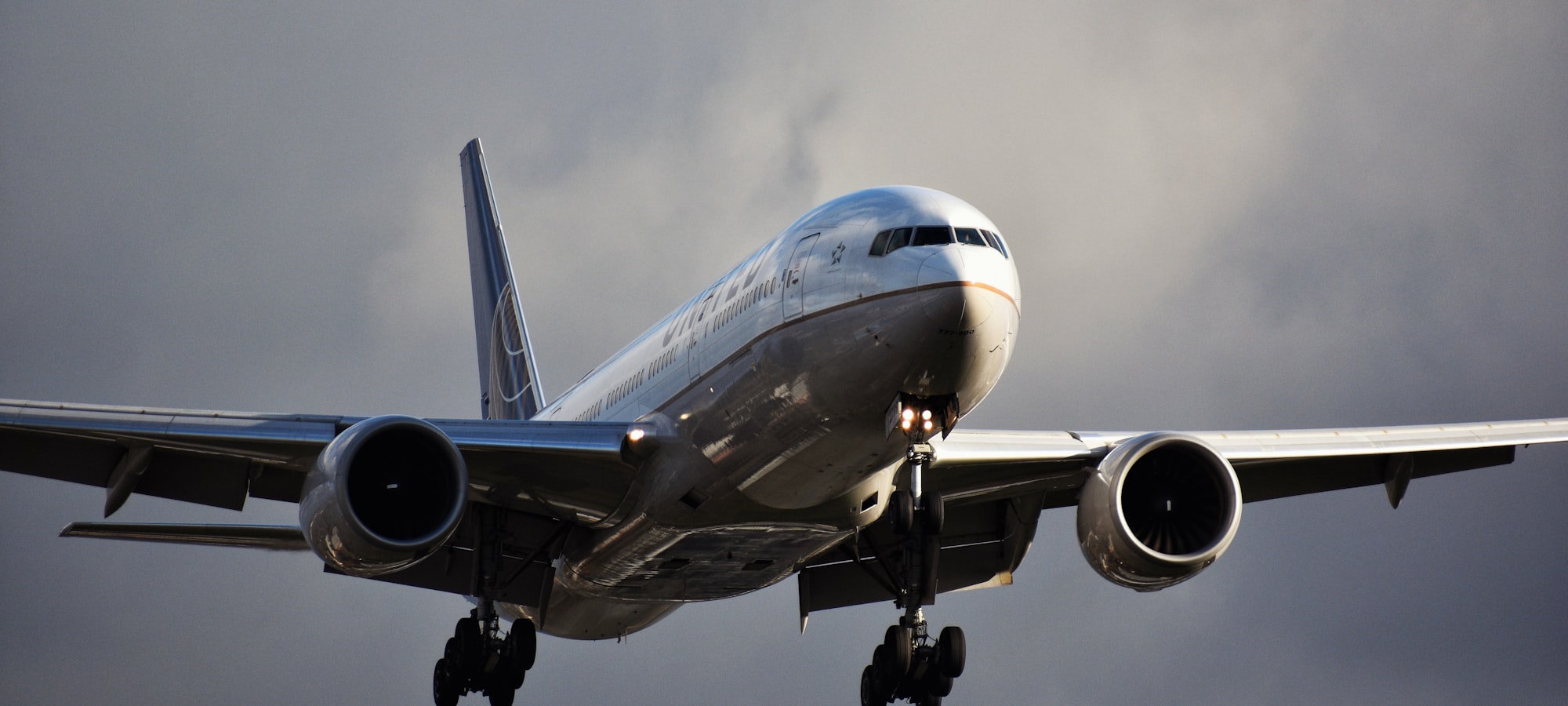
Air freight from Frankfurt.
When days matter, not weeks.
Frankfurt is Europe's largest cargo airport and sits twelve kilometres from our desk. We buy capacity from airlines and consolidators and handle everything around the flight — pre-carriage, security screening, the air waybill and customs.
What air freight buys, and what it costs.
Air freight is the fastest way to move goods between continents and the most expensive. Per kilogram you pay a multiple of sea freight and get days instead of weeks. That maths works when the goods are valuable, perishable or time-critical — and it does not when they are heavy, cheap and predictable. We will tell you which case you are in.
We are a forwarder, not an airline. We buy capacity, consolidate where it makes sense, and handle everything that happens around the flight: collection from your dock, security screening, the air waybill, customs and onward delivery. Most destinations are served daily out of FRA.
Consolidated onto the next available service. Usually three to five days door to door, depending on destination and customs.
Confirmed booking on the next flight with priority handling. One to two days on the main lanes.
For consignments no scheduled aircraft will take, or where the deadline and the volume justify your own capacity.
A courier accompanies the consignment on a passenger flight. The fastest and most expensive option — for tooling and spares when a line has stopped.
What actually determines the price.
Four things, and none of them is the flight alone. Knowing them means no surprises on the invoice.
Volumetric weight usually beats actual weight
You are charged the greater of the two. Air freight uses a 1:6 divisor — one cubic metre counts as 167 kilograms. Light, bulky freight pays by volume, not by the scale.
Surcharges are the second half
Fuel and security surcharges, terminal handling and the air waybill. We itemise them rather than rolling them into one line.
Your security status
Goods from a known consignor pass without additional screening. Everything else must be X-rayed or otherwise checked, which costs time and money. Tell us your status up front.
Dangerous goods under IATA-DGR
Considerably stricter than on the road. Lithium batteries, aerosols and magnetised goods need lead time and a correct declaration. Ask early, not on the day of collection.
How it is priced
The basis is chargeable weight: the greater of actual and volumetric weight, at a 1:6 divisor. On top come fuel and security surcharges, terminal handling and the air waybill. Pre-carriage from your dock and customs clearance are shown separately so you can see what belongs to what.
Air rates move with the season far more sharply than road rates. A quotation is therefore valid for a stated period, and we say which.
What we need to quote it
Dimensions per piece are where air freight quotes usually fail. Without them no firm number is possible.
- Origin and destination — airport or full address, depending on the scope of service
- Number of pieces plus length, width and height of each
- Total gross weight
- Description of goods and their value
- Dangerous goods under IATA-DGR, with UN number and class
- Security status: known consignor or not
- Incoterm, if agreed, and whether we should handle customs
What people actually ask.
On chargeable weight — the greater of actual and volumetric weight. The divisor is 1:6, so one cubic metre counts as 167 kilograms. A pallet of insulation might weigh 80 kilos but pays several times that by volume. That is why we ask for dimensions per piece.
A business approved by the aviation authority whose goods count as secure and can go into the hold without additional screening. Not having the status is no obstacle — the consignment is then X-rayed or otherwise checked, which costs time and money. We price it in if you tell us.
Three to five days on standard, one to two on express over the main lanes. The flight is the shortest part of it. What drives the transit is pre-carriage, security handling, departure frequency and customs at the far end — and those are what we plan around rather than quoting flight time alone.
Yes, under conditions. Lithium batteries fall under IATA-DGR and are treated differently depending on whether they travel alone, installed in equipment, or packed with it. Give us the UN number, the watt-hours and the packing, and we will tell you what is possible, what it costs and how much lead time it needs.
Rule of thumb: if the goods are worth a lot per kilogram, perishable or time-critical, air wins. If they are heavy, cheap and predictable, sea wins by a wide margin. For anything in between we price both and put the two numbers side by side.
Yes, and that is where we are most at home. It runs on the same road dispatch that moves your full and part loads — one contact for the whole chain instead of two companies blaming each other for the delay.
When to buy something else
Air freight is rarely the cheapest answer. If one of these fits, we say so before you book.